Building a Portfolio as Event Talent: The Complete Guide to Getting More Bookings

Whether you're a bartender hustling for weekend gigs, a DJ trying to land bigger venues, or a server looking to fill your calendar with premium private events, building a portfolio as event talent is one of the most powerful moves you can make for your career. In a marketplace where clients are comparing multiple candidates before making a booking decision, a compelling portfolio is the difference between being overlooked and getting the call. This guide breaks down exactly what to include, how to present it, and how to keep it working for you long after you've built it.
Why a Strong Portfolio Matters More Than Ever
The event industry has become increasingly competitive. Clients, whether they're planning a corporate gala in Manhattan or a backyard wedding in Los Angeles, have access to more talent options than ever before. They're discerning, time-pressed, and looking for confidence-inspiring signals before they commit to a booking.
A well-crafted portfolio does several things at once. It demonstrates your experience without requiring you to explain it verbally. It builds trust before a client ever speaks to you. And it positions you as a professional rather than a hobbyist. Think of it as your silent sales representative working for you around the clock, even when you're busy behind the bar or setting up your DJ booth.
The good news? You don't need decades of experience or a professional photographer to start. What you need is intentionality and consistency.
What to Include in Your Event Talent Portfolio
A portfolio for event talent isn't the same as a resume, and it shouldn't read like one. It's a curated showcase of your best work, your personality, and the value you bring to an event. Here's what to prioritize:
High-Quality Photos and Video Clips
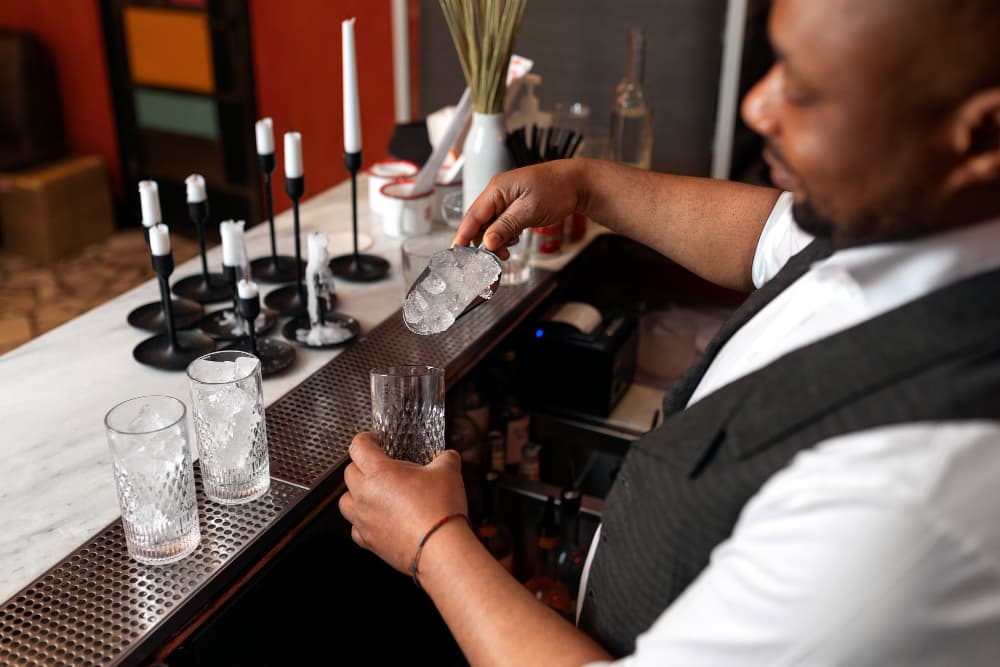
Visuals are everything in event work. Clients want to see you in action, not just a headshot against a blank wall. Aim to capture photos and short video clips from real events you've worked on. A bartender crafting a cocktail with precision, a DJ reading the crowd, a server gliding through a dinner party with ease, these images tell a story that words can't match.
- Ask event hosts or event coordinators if you can take a few behind-the-scenes shots during downtime.
- Invest in one or two professional shoots early on; even a few polished images go a long way.
- For video, short clips (30–90 seconds) showing your energy and skill perform exceptionally well on profile pages.
- Always get permission before posting photos from private events.
Client Reviews and Testimonials
Social proof is among the most persuasive elements of any portfolio. After every event, make it a habit to follow up with the client and ask for a brief written review. A few sentences from a satisfied host describing how smoothly you managed the bar, how the crowd responded to your DJ set, or how professionally you handled service can carry enormous weight with prospective clients.
When collecting testimonials, ask clients to be specific. "Great service" is forgettable. "Our guests were raving about the signature cocktails all night, and the bar never had a line" is memorable and convincing.
A Clear Summary of Your Specialties and Event Types
Clients aren't just hiring talent, they're hiring the right talent for their specific event. Make it immediately clear what types of events you specialize in and what you bring to each. Do you excel at high-volume wedding receptions? Corporate cocktail hours? Intimate dinner parties? Outdoor festivals?
List the event formats you're most comfortable with and note any special skills or certifications. For bartenders, this might include TIPS certification or mixology training. For DJs, it could be specific genres or sound equipment expertise. For servers, formal service training or experience with multi-course plated dinners is required.
A Professional Bio That Sounds Like You
Your bio should be warm, confident, and specific, not a dry recitation of job titles. Write in the first person and let your personality come through. Mention how long you've been working events, what cities you operate in, what types of occasions you love most, and one or two things that make you different from other talent in your category. Keep it to three to five sentences. Brevity signals confidence.

How to Build Your Portfolio When You're Just Starting Out
Every experienced event professional was once a beginner with an empty portfolio. The key is to create opportunities to build your body of work, even before you're consistently booking premium gigs.
- Volunteer or offer discounted rates for events hosted by nonprofits, community organizations, or friends and family. These are real events with real photos and real testimonials.
- Collaborate with other event professionals. Photographers, event planners, and venues often hold styled shoots or showcase events. Offer to participate in exchange for professional images you can use.
- Document everything you can from the events you work on, even early on. An organized archive of photos and feedback will be invaluable as your career grows.
- Take on a range of event types early. Working a corporate luncheon, a birthday party, and a wedding ceremony, even if none of them are glamorous, gives you diverse experiences to reference and talk about.
Remember, clients don't always expect a decade of experience. What they want is evidence that you show up, perform well, and are easy to work with. A handful of strong examples beats a long list of vague claims every time.
Keeping Your Portfolio Fresh and Working for You
A portfolio is not a one-and-done project. It should evolve as your career does. Set a reminder every few months to review and update your materials. Here's how to keep it sharp:
Retire Old Content Regularly
Photos from three years ago, reviews that reference skills you've grown well beyond, or event types you no longer take these should be cycled out. Your portfolio should reflect who you are now, not who you were when you were first starting out.
Highlight Milestone Events
Did you work a high-profile wedding, a brand activation for a major company, or a large-scale festival? Make sure these events are prominently featured. Milestone bookings signal to prospective clients that other discerning clients have already trusted and chosen you.
Respond to Reviews and Engage With Clients
On platforms where clients can leave feedback, take the time to respond professionally and warmly. A simple thank-you response shows future clients that you're attentive and grateful, qualities that matter a great deal in hospitality and service work.
Tailor Your Portfolio for Different Event Types
If you work across multiple event categories, say both corporate events and weddings, consider organizing your portfolio so clients can quickly find the content most relevant to their occasion. Segmenting your work by event type makes your experience feel more targeted and authoritative.
Putting Your Portfolio to Work on the Right Platform
Even the strongest portfolio won't help you if it's sitting in a Google Drive folder no one can find. The most effective thing you can do is place your portfolio on a platform where clients are actively searching for talent like you.
On Updone, event talent can build a professional profile that functions as a living portfolio showcasing photos, reviews, specialties, and availability all in one place. Clients browsing for bartenders, servers, DJs, photographers, and MCs in their city can discover your profile, review your work, and book you directly. It's a seamless connection between the effort you've put into your portfolio and the clients who need exactly what you offer.
If you're serious about growing your event career and filling your calendar with quality bookings, getting your profile set up on a dedicated platform is the natural next step not just a nice-to-have.
Final Thoughts
Building a portfolio as event talent takes time, intention, and a willingness to document your work from day one. But the return on that investment is significant. A strong portfolio sets you apart in a crowded field, builds trust with clients before the first conversation, and signals the kind of professional you are: someone who takes their craft seriously and shows up prepared. Start where you are, use what you have, and commit to improving your materials with every event you work.
Stop waiting for bookings. Start showcasing your talent today.
Written by
Kent Scott
The Updone Editorial Team covers event planning, talent hiring, and industry trends for hosts and talent across the US.
Related Articles
How Hiring a Private Bartender Transforms Your Home Hosting Experience

College Graduation Parties Are Better When You Book a Waiter